How Independent Cafés and Pubs Use Social Media
· 5 min read
Independent cafés and pubs use social media mainly as a noticeboard for regulars: what is on the specials board today, which evenings have a quiz or live music, when the kitchen is open, and who is working behind the counter. The venues that do it well keep posts short, honest and frequent enough to be useful, and they treat replies to customers as part of the job rather than an afterthought. It needs little money, just a routine a small team can keep up.
Why small venues bother at all
A corner café or a village local lives on repeat custom. Most of its trade comes from people within a short walk or drive, and those people want simple information: is the soup on, is there room on Friday, are dogs allowed in the snug. A feed that answers those questions before anyone has to ring saves time on both sides of the bar.
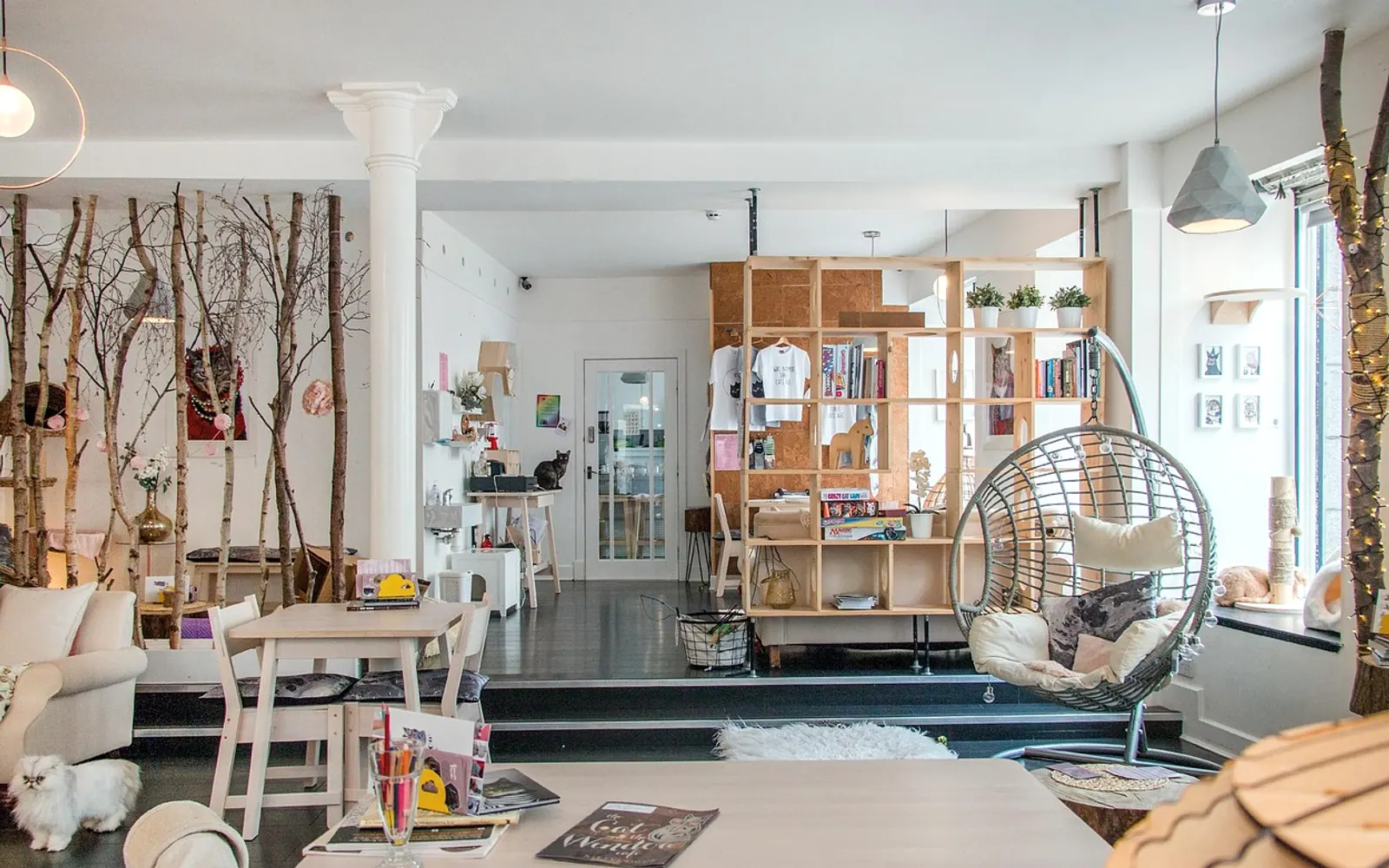
There is also a quieter reason. Independent places compete on character, and character is hard to show on a sign outside. Photographs of the fire being lit on a cold morning, a new guest ale arriving or the first scones out of the oven say more about the atmosphere than any description could. If you are curious about the wider habits behind the British local, our look at everyday life and customs in England covers mealtimes, pub manners and the national fondness for talking about the weather.
What they actually post
Across well-run independents, the same few post types keep turning up.
- The daily board: a clear photo of the chalkboard or a plate of the day's special, posted before the lunchtime rush rather than halfway through it.
- Event reminders: quiz nights, open mic sessions, folk evenings and match screenings, usually announced a week ahead and repeated on the day.
- Faces behind the counter: a short introduction to a new barista, the chef's first day back after a holiday, or the landlord's long-suffering dog.
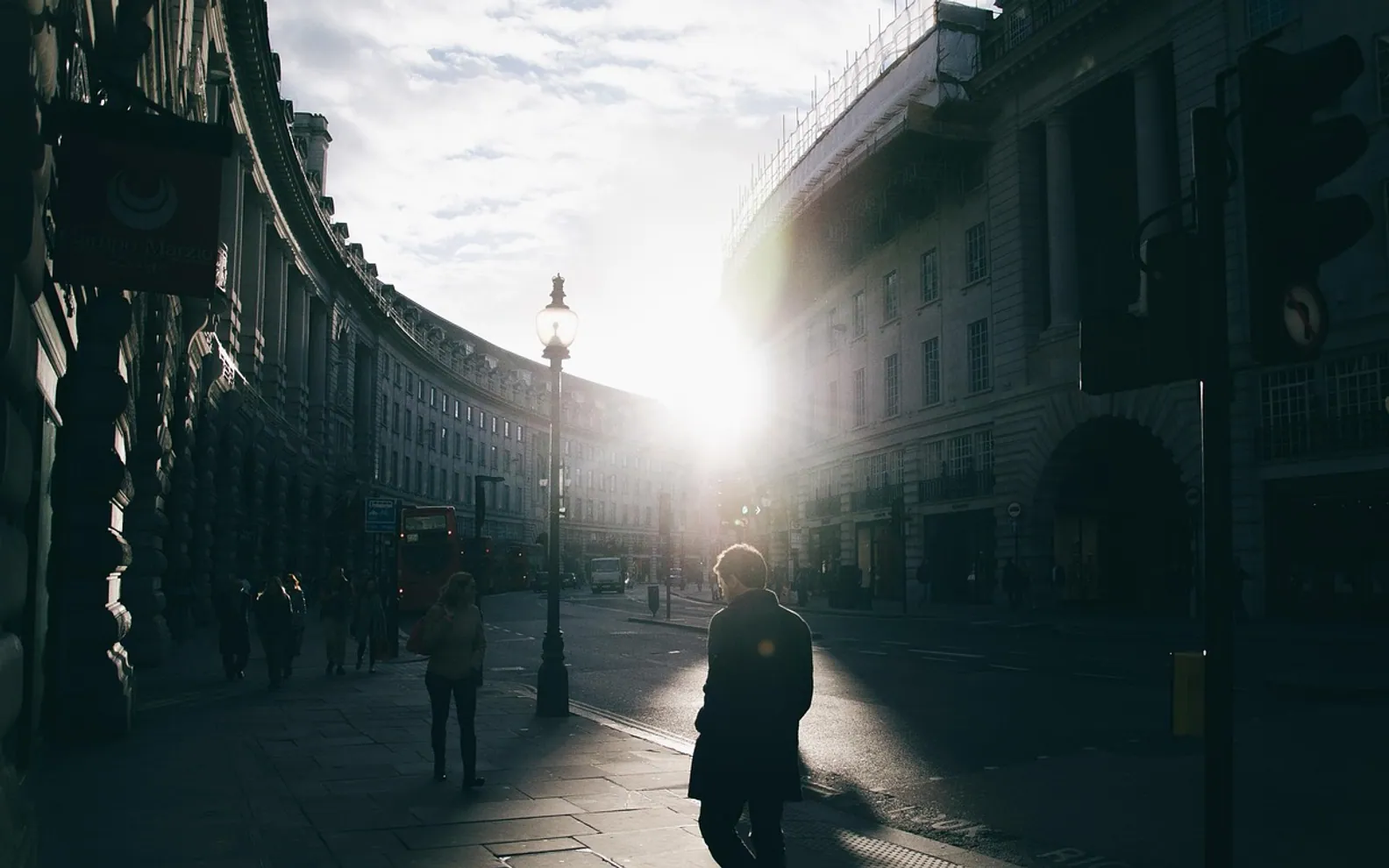
- Local scenes: the high street in the snow, the garden on the first warm afternoon, the view from the window seat.
- Practical notices: changed opening hours, a closed kitchen for a private party, or a power cut that has put the coffee machine out of action.
Quiz and music nights
Weekly events are where social posts earn their keep. A reminder on the morning of the quiz, a photo of the winning team holding the trophy (with their agreement) keep a regular crowd coming back. For music nights, venues tend to share the act's name, start time and whether there is a charge on the door, and then post a short clip or photo during the set for anyone deciding whether to wander down.
The people behind the counter
Customers often know staff by first name long before they know the owner. Posts that introduce the team, mark a long-serving cook's anniversary or show the pot washer's attempt at latte art tend to draw warm responses, because they reflect what regulars already value about the place. The sensible rule is to ask before posting anyone's photo, staff included, and to let people say no without fuss.
Answering regulars and newcomers
Replies matter as much as posts. A question about gluten-free options or wheelchair access deserves a direct answer within the day, ideally from someone who knows the menu. Complaints are handled calm and brief in public, with an offer to talk privately.
Should a small café reply to every comment?
Not necessarily, but every genuine question should. A friendly reaction to compliments is enough; questions about bookings, allergens or access need words. If nobody can check the inbox on a given day, it helps to say so in the profile and point people to the phone number.
Keeping it manageable for a small team
The biggest risk for an independent venue is not posting the wrong thing but running out of steam. A burst of posts in spring followed by silence until Christmas leaves customers wondering whether the place is still open. A simple weekly rhythm usually works better.
| When | What to share | Who usually does it |
|---|---|---|
| Monday | The week's events and any changes to hours | Owner or manager |
| Each weekday morning | The specials board or the day's bake | Whoever opens up |
| Before each event | A same-day reminder with start time | Duty manager |
| Weekend | A scene from the venue or the neighbourhood | Any team member who enjoys taking photos |
Some owners keep everything in-house, sharing the login with two trusted staff and agreeing a few basic rules on tone. Others hand the planning and scheduling to an outside provider and keep the daily photos for themselves; agencies offering Social Media Marketing for Small Business are one route that some venues take when the owner would rather spend evenings behind the bar than in front of a screen. Either way, the voice should still sound like the people who work there.
How often should a pub post?
Often enough that the information stays current. A few posts a week plus event-day reminders is plenty for most locals. What matters is that opening hours, the menu link and the phone number in the profile are always correct, because those are what people check first.
Photography without the fuss
Good venue photos rarely need special equipment. Natural light from a window, a clean table and a steady hand do most of the work. Shooting the specials board straight on, rather than at an angle, makes it readable on a small screen. Food photographs well straight from the pass. Wide shots of a quiet room show the décor without catching customers who have not agreed to appear online.
A small library of seasonal images, such as the garden in bloom or the tree going up, covers days with no time to take something new.
A note for travellers
For visitors, a venue's recent posts are often the most reliable guide to what is happening this week. They show whether the kitchen serves on a Monday or the Sunday roast needs booking. Glancing at a few local feeds near your accommodation is a sensible step, and our guide to planning weekend breaks in England has more ideas on choosing a base for a couple of nights away.