Weekend Breaks in England: Choosing a Base and Planning Two Days
· 4 min read
The best weekend breaks in England share three things: a base you can reach in a few hours, one kind of landscape rather than three, and a plan loose enough to survive the weather. Pick a coastal town, a stretch of countryside or a city, book somewhere to stay that suits how you want to spend the evenings, and leave at least half of each day unplanned. Two nights is enough to feel properly away, as long as the journey does not eat most of it.
Start with the travel time
The single most useful rule for a short break is to cap the journey. If it takes more than about three hours each way, Friday evening and Sunday afternoon disappear into motorways and station platforms. Within that radius, most people in England have a surprising choice: the sea, at least one national park or area of outstanding natural beauty, and a historic city or two.
Check how you will get around once you arrive. A walking city such as York, Bath or Canterbury works well by train. A rural base in the Peak District, the Yorkshire Dales or north Norfolk is easier with a car, although many villages have bus links and walking routes from the nearest station. Trains on Friday evenings and Sunday afternoons can be busy and pricier, so booking ahead or travelling slightly earlier often helps.
Coast, country or city?
Each kind of weekend has its own pace, and choosing deliberately avoids the common mistake of trying to fit a city, a beach and a hill walk into forty-eight hours.
| Type of break | Suits | Typical base | Watch out for |
|---|---|---|---|
| Seaside town | Long walks, fish and chips, wide skies, out-of-season calm | Guesthouse or small hotel near the front | Some cafés and attractions close or shorten hours in winter |
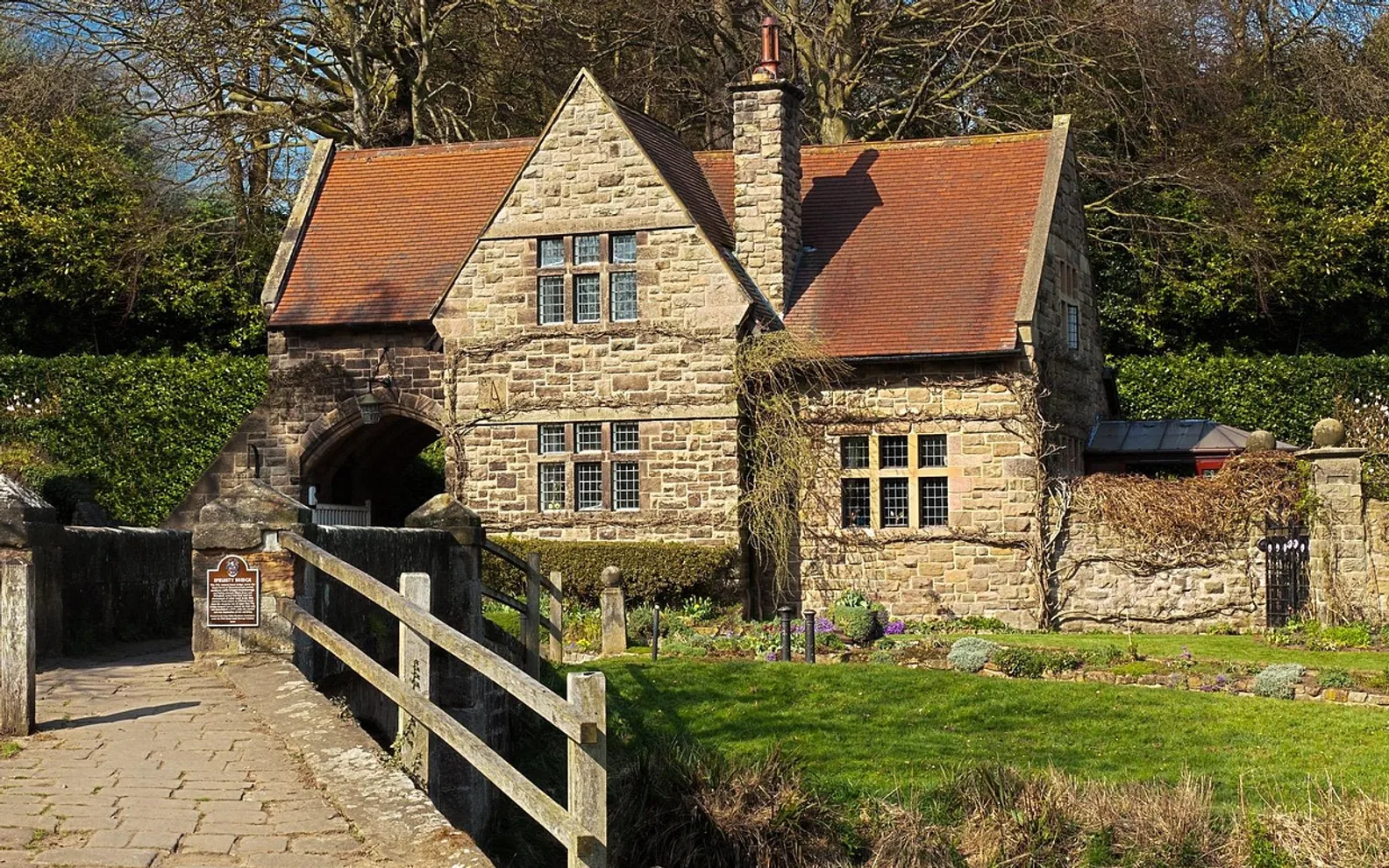
| Countryside and villages | Hiking, pub dinners, a slower rhythm | Country inn, B&B or cottage | Limited public transport and early kitchen closing times |
| Historic city | Museums, cathedrals, shops, eating out | Central hotel within walking distance of the sights | Higher room rates on Saturday nights and busy event weekends |
| Lakes and fells | Boat trips, viewpoints, active days | Lakeside hotel or guesthouse in a smaller town | Traffic in peak season and fast-changing mountain weather |
For ideas on which regions offer what, the overview of places to visit in England runs through Yorkshire, the Cotswolds, Devon, the Lakes and the eastern coast.
Choosing where to stay
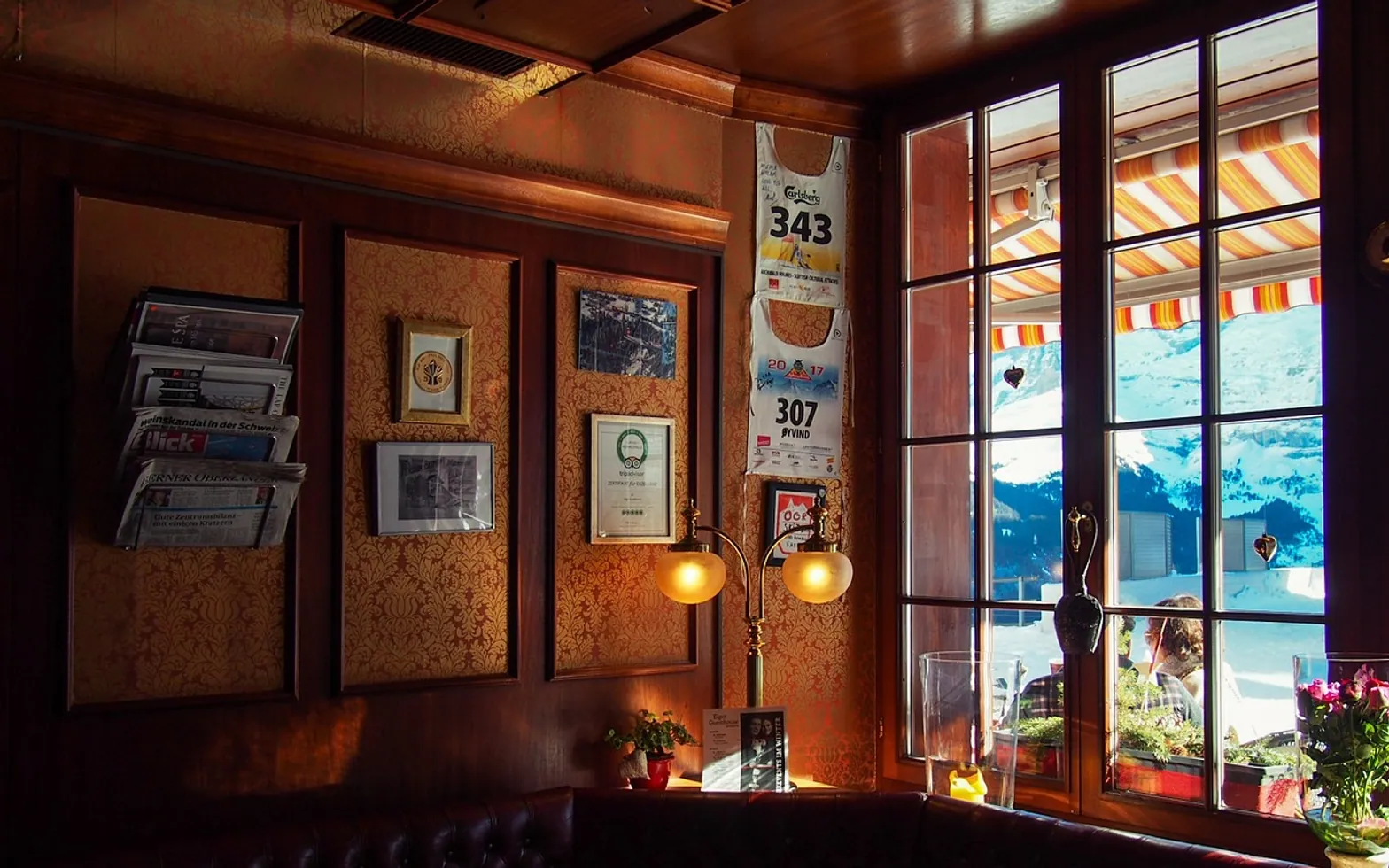
On a two-night trip the accommodation matters more than on a long holiday, because you spend a larger share of the time in it. Think about the evenings. A country inn with a dining room means dinner is a short walk downstairs, which is a real comfort after a day on muddy paths. A city hotel near the centre lets you stroll back after a show. A guesthouse often brings a cooked breakfast and local tips from the owners.
The differences between those options, and what each usually includes, are set out in the comparison of a B&B, a guesthouse and a hotel. Some rural inns and smaller hotels ask for a two-night minimum at weekends, so a Friday-to-Sunday booking is often easier to find than a single Saturday.
A simple two-day rhythm
The trick with a short break is to give each day one anchor and let the rest happen around it.
Friday evening
Arrive, check in and walk to dinner rather than driving. A short evening stroll is the quickest way to get your bearings, and it means Saturday morning starts without any fuss about where things are.
Saturday
Make this the main day. Choose one anchor, such as a long coastal path, a cathedral and its museum, or a circuit between two villages, and book anything that needs a timed ticket. Leave the afternoon flexible: a café, a second-hand bookshop, a nap, a change of plan if it rains.
Sunday
Keep it light. A late breakfast, a gentle walk or a Sunday market, then a pub lunch before heading home. Check-out times can feel early on a slow morning, so ask the night before whether you can leave your bags at reception and come back for them.
Weekends by season
- Spring: gardens, bluebell woods and lambs in the fields; resorts reopen around Easter.
- Summer: long light evenings and sea swimming, but book well ahead for coast and lakes, especially in school holidays.
- Autumn: colourful woods, food festivals and quieter seaside towns.
- Winter: cities with Christmas markets, firelit pubs in the countryside and often lower room rates outside the festive peak.
Packing for changeable weather
English weather can switch more than once in a single afternoon, so layers and a packable waterproof are worth more than an extra outfit. Comfortable shoes that cope with wet grass and cobbles cover most plans. The checklist in how to pack for a weekend trip fits everything into one small bag. It also helps to know a few local habits before you go, from pub manners to how people queue, many of which appear in the piece on everyday lifestyle in England.
Common questions
Is one night enough for a weekend break?
It can be, if the journey is short. For anything more than an hour or two away, two nights give you one full day without travelling, which is what makes a break feel restful.
Should I book a package or arrange things myself?
For most domestic weekends, booking the room and travel separately is simple and flexible. Packages that bundle dinner, a show or a spa session can be good value when they include things you would pay for anyway; compare the parts before deciding.
What if the weather is terrible?
Choose a base with indoor options within walking distance, such as a museum, a covered market or a good pub. A city or a larger market town is the safest choice for a winter weekend when the forecast is uncertain.