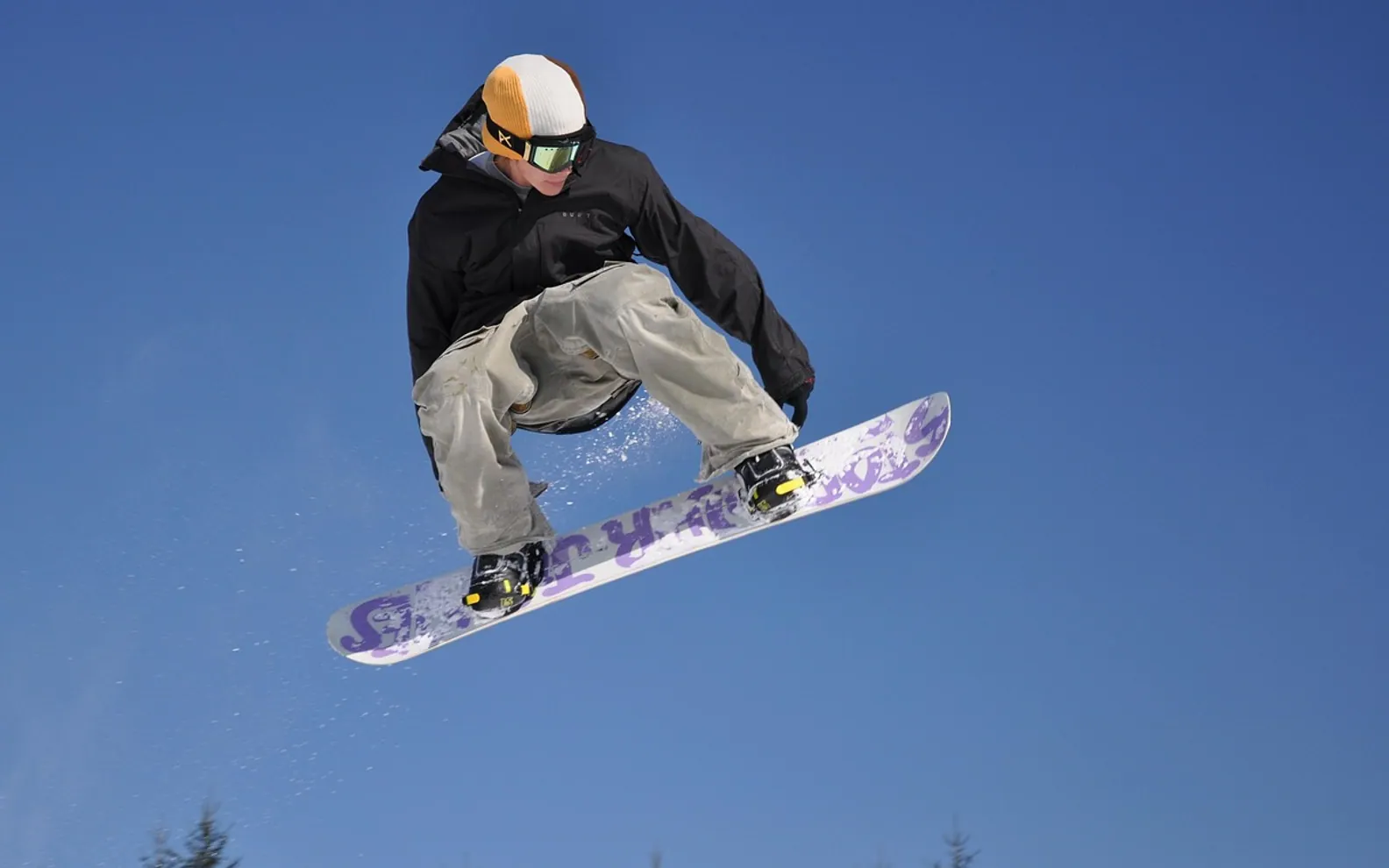
Snowboard Bindings: You Get What you Pay for
· 2 min read
Bindings are the least glamorous part of a snowboard setup. They do not have the eye-catching graphics of a board or the comfort talk of boots, so when the budget gets tight they are often the first place people cut corners. That is a shame, because bindings are the link that turns every movement of your legs into a reaction from the board.
What separates a cheap pair from a good one
The biggest difference lies in the materials. Entry-level bindings tend to use basic plastics for the baseplate and highback, with thinner straps and simpler ratchets. Higher-priced models use stronger composites, aluminium or reinforced nylon, better padding and buckles that keep working after hundreds of cycles.
Cold makes that difference obvious. Cheap plastic can turn brittle in low temperatures, ratchets may jam with ice, and straps can split at the seams. A binding that fails halfway down a run is not just annoying; it can leave you stranded on the slope.
Where the extra money goes
| Feature | Budget bindings | Better-quality bindings |
|---|---|---|
| Baseplate | Basic plastic, more flex than intended | Stiffer, lighter composites or metal |
| Straps | Thin padding, pressure points | Shaped, cushioned straps that spread the load |
| Ratchets | Prone to slipping or icing | Smooth, durable and easier with gloves |
| Adjustability | Limited | Tool-free tweaks for angle, forward lean and fit |
The result is better response, less foot fatigue and fewer trips back to the shop for replacements. Over a few seasons, buying cheap and replacing twice can easily cost as much as buying well once.
Buy boots first
Bindings have to match your boots, so choose those first and take them along when you try bindings, or at least know their exact size. The boot should sit snugly in the heel cup with no gap, the straps should close comfortably without overhanging, and the toe and heel should not hang far over the board's edges.
Your riding style matters too. Freestyle riders often prefer softer, more forgiving bindings for presses and landings, while those who love carving or riding powder tend to choose stiffer ones for quicker edge response. All-mountain riders usually land somewhere in between.
Do your homework before you buy
It is worth reading what other riders say before committing. Independent snowboard bindings reviews are a useful way to compare how different models feel on the hill, how they hold up over time and which ones suit particular boots and riding styles, which helps narrow a long list down to two or three serious candidates.
Also think about how often you ride. Someone heading out for one week a year can choose a solid mid-range pair without regret, while a rider spending whole seasons on the snow will feel the benefit of premium components every day.
Looking after them
- Check screws and mounting hardware at the start of each day.
- Dry bindings before storing them to prevent rust and stiff ratchets.
- Replace worn ladders and straps early; spares are usually inexpensive.
Good bindings will not make anyone an expert overnight, but they let your board respond the way you intend. That makes every turn more predictable and every day on the mountain a little more enjoyable.