The Signficance of the Lotus Flower Symbol
· 2 min read
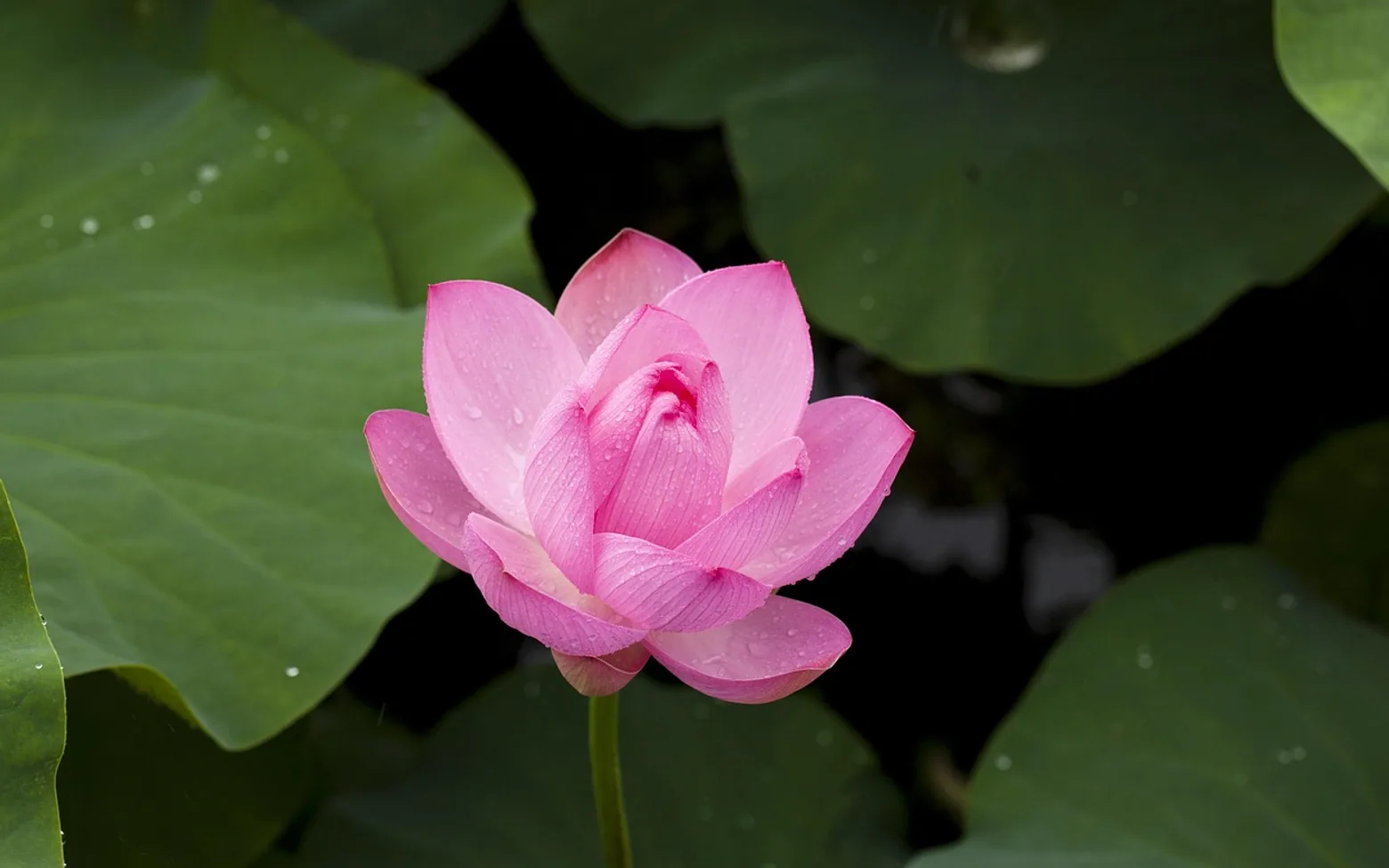
Few plants carry as much meaning as a blossom that rises out of muddy water and opens spotless in the sun. That contrast between murky roots and clean petals is the key to the lotus as a symbol, and it explains why so many cultures, separated by centuries and thousands of miles, arrived at similar ideas about it.
Rebirth on the banks of the Nile
In ancient Egypt, the blue and white water lilies often called lotuses were watched closely. They closed and slipped below the surface as evening fell, then reappeared and opened again with the morning light. To people whose religion revolved around the sun's daily passage across the sky, that rhythm looked like death and renewal in miniature.
The flower appears again and again in tomb paintings, temple carvings and jewellery. It was linked with creation stories in which the sun emerged from a lotus, and with funerary texts concerned with the soul's return to life. The plant also had a political role: the lotus came to represent Upper Egypt and papyrus Lower Egypt, and images of the two bound together expressed the unity of the kingdom.
Purity and awakening in Buddhism
Buddhist teaching uses the lotus as an image of the mind. Just as the flower grows through mud without being stained by it, a person can live in an imperfect world and still move towards clarity and compassion. Statues frequently show the Buddha seated or standing on an open blossom, and the flower's stages, from closed bud to full bloom, are sometimes read as steps along the path to awakening.
Colour adds further layers. Traditions vary, but common associations include:
| Colour | Often linked with |
|---|---|
| White | Mental purity and spiritual calm |
| Pink | The Buddha himself and the highest teaching |
| Red | Love, compassion and the heart |
| Blue | Wisdom and control of the senses |
| Purple | Mysticism, sometimes shown with eight petals for the Eightfold Path |
Divinity and beauty in Hindu tradition
In Hinduism the lotus is closely tied to the gods. Brahma, the creator, is described as emerging from a lotus that grows from the navel of Vishnu, and Lakshmi, goddess of wealth and good fortune, is usually pictured seated on or holding the flower. The image suggests beauty, prosperity and spiritual detachment, being in the world without being weighed down by it. The lotus is also India's national flower, which shows how deeply the motif runs through the country's culture.
Why the symbol still resonates
Today the lotus turns up far beyond temples. It is a favourite in tattoos, yoga studios, wellness branding, jewellery and home decor, often chosen to mark a fresh start or a hard-won period of growth. Readers who want to explore the meanings in more depth will find a detailed overview of the lotus flower and its symbolism across mythologies, including stories not covered here.
If you choose the motif for something personal, it is worth knowing the cultural and religious weight it carries in many communities and treating it with respect. Used thoughtfully, it remains one of the most hopeful images people have ever drawn: proof that something beautiful can come from difficult ground.