Accommodations · Popular Chains
What Is a Boutique Hotel? How It Differs From a Chain
· 4 min read
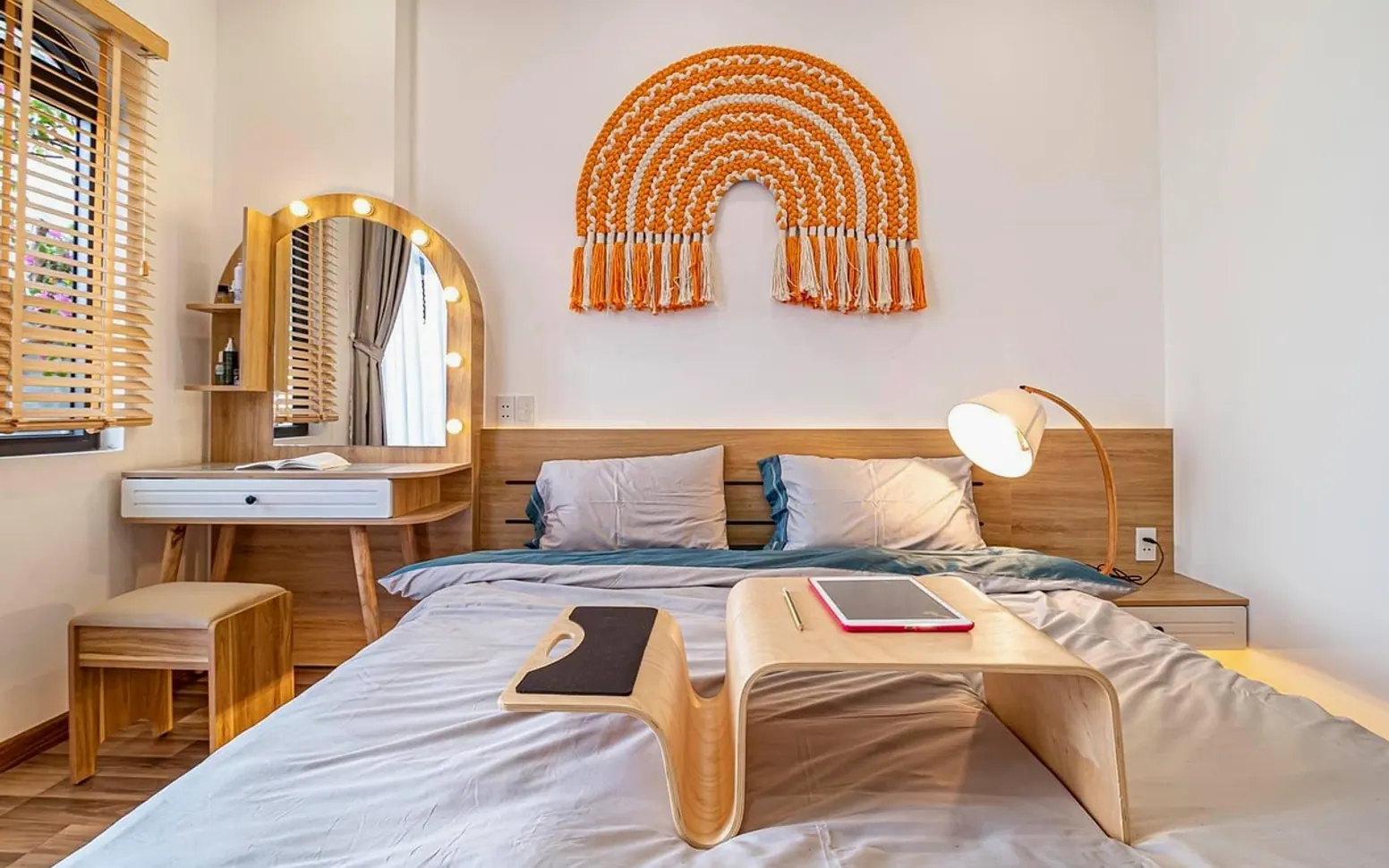
A boutique hotel is a small, individually designed hotel with a strong personality and a personal style of service. There is no official definition, and no inspector checks whether a place has earned the word, but most boutique hotels share a few traits: a limited number of rooms, a distinctive look, a sense of place and staff who quickly learn your name. The opposite, broadly speaking, is the large chain hotel built to feel the same in every city.
Where the idea came from
The label is generally traced to the late 1970s and 1980s, when a few small, design-conscious hotels in London and New York set out to feel more like a stylish private house than a conventional hotel. Their success inspired imitators around the world, and the word drifted from describing a handful of places to covering almost any hotel that wants to sound special.
Common traits of a boutique hotel
- Scale. Usually tens of rooms rather than hundreds, which keeps lounges and bars intimate.
- Design. Interiors are chosen with care, often by the owners themselves, and no two rooms may be quite alike.
- Character of place. Many occupy converted buildings: Georgian townhouses, former banks, warehouses, schools or rectories.
- Personal service. Staff tend to cover several roles and have time to recommend a restaurant or book a taxi.
- Food and drink with a local accent. A small bar or restaurant often leans on regional produce and draws locals as well as guests.
Boutique hotel vs chain hotel
| Boutique hotel | Chain hotel | |
|---|---|---|
| Consistency | Each property is different | Familiar layout and standards everywhere |
| Rooms | Individual, sometimes oddly shaped | Standard sizes and room types |
| Facilities | Often limited, with no pool and a small gym or none | More likely to have a gym, meeting rooms and lifts |
| Loyalty perks | Rare, though some join collections | Points, member rates and tier benefits |
| Service style | Informal and personal | Efficient and process-driven |
| Price | Wide range; small size can push rates up | Predictable, with frequent promotions |
Frequent travellers who collect points may find the chain route rewarding; the trade-offs are laid out in the comparison of airline and hotel loyalty schemes. Others would happily give up points for a room with a roll-top bath and a view over a cathedral close.
The blurred middle: lifestyle brands and collections
Large hotel groups noticed the appeal and launched boutique-style brands of their own, often marketed as lifestyle hotels, alongside collections that let independent hotels keep their name while using a group's booking system. These can be excellent, but they are not independent in the traditional sense. If that matters to you, read the small print on the hotel's website, which usually names any group it belongs to.
Pros and cons to weigh
What tends to work well
- A stay that feels memorable rather than interchangeable
- Central or characterful locations in older buildings
- Staff with time for conversation and local tips
What can catch people out
- No lift in a converted townhouse, and steep stairs to the top floor
- Small rooms given flattering names such as "cosy" or "snug"
- Thin walls or creaking floors in period buildings, where a few tactics for getting a quiet room pay off
- Limited reception hours, so late arrivals need arranging in advance
How to tell a genuine boutique hotel from a label
- Count the rooms. If the hotel has several hundred, the word is doing marketing work.
- Look at room photos rather than the lobby. Individual rooms should look individual.
- Read reviews for mentions of staff by name and for specific, personal recommendations.
- Check who owns it. An independent owner or a small local group is the traditional model.
- Ask about access, lifts and parking before you book, since older buildings vary widely.
Who a boutique stay suits best
Couples on a weekend away, friends celebrating a birthday and anyone who sees the hotel as part of the trip tend to get the most from a boutique stay. It is less ideal when you need predictable facilities: a large family that wants a pool, a conference delegate who needs a business centre, or a traveller with mobility needs in a building full of stairs. For a single night near a motorway on a long drive, a standard chain room usually does the job more simply.
Do boutique hotels have star ratings?
Some do and some do not. Because grading schemes reward a broad spread of facilities, a small hotel with superb rooms but no leisure area may carry fewer stars than you would expect, or choose not to be graded at all. The explainer on what hotel star ratings mean covers why a modest rating can still hide a lovely stay.
Market towns and historic cities are where boutique stays tend to cluster, so a list of places worth visiting in England doubles as a shortlist for finding one.