Tanzania: The Ultimate Destination for a Five-Star Safari Adventure
· 2 min read
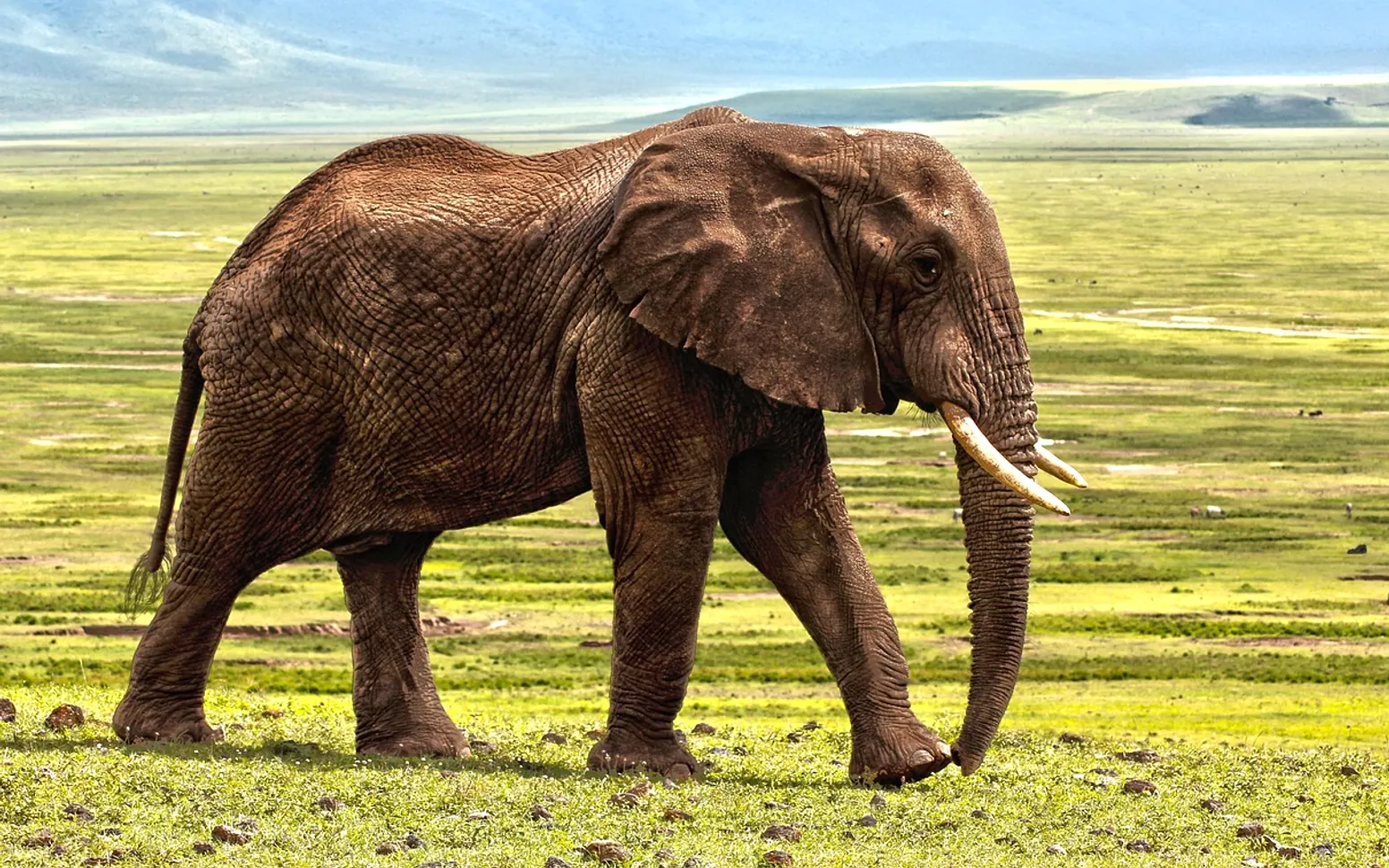
Picture breakfast on a deck overlooking open grassland, a herd of elephants drifting past in the distance, and a guide waiting with the vehicle for the morning drive. That is the kind of day that draws travellers to Tanzania, where some of Africa's most celebrated wildlife areas meet lodges and camps that do comfort exceptionally well.
Parks that define the safari
The Serengeti is the name everyone knows, and for good reason. Its sweeping plains host large numbers of wildebeest, zebra and gazelle, along with the lions, leopards, cheetahs and hyenas that follow them. The movement of the herds across the ecosystem through the year, often called the Great Migration, is one of the great natural spectacles.
The Ngorongoro Crater feels like a world of its own. Descending from the rim into the crater floor, you find grassland, swamp and lake packed with animals in a relatively compact space, framed by steep walls on every side.
Beyond these headline names, Tarangire is known for its elephants and baobab trees, while Lake Manyara offers forest, birdlife and lakeside views. In the south, Ruaha and Nyerere feel wilder and much quieter, with boat safaris and walking options in some areas.
What makes it five-star
A luxury safari is about more than a smart room. The best experiences combine several things:
- Expert guides who read animal behaviour, know the terrain and bring every sighting to life.
- Low-density camps where you share sightings with few other vehicles.
- Thoughtful touches such as private decks, bush dinners under the stars and sundowners at scenic spots.
- Flexibility to stay out longer when something exciting is unfolding.
- Light-aircraft transfers that link distant parks in a short hop instead of a long drive.
Operators specialising in a Tanzania luxury safari can combine these elements into a smooth itinerary, choosing camps that suit the season and your interests, whether that is big cats, birdlife or photography.
Timing the trip
Wildlife viewing is good year-round, but each season paints a different picture. The long dry months are popular because animals gather near water and the vegetation thins, making them easier to see. The green season brings lush landscapes, newborn animals in some areas and fewer visitors, though some roads can be harder going after heavy rain.
The herds in the Serengeti move in a broad annual pattern, so the right region depends on when you travel. A good planner will match camps to the months you have available rather than the other way round.
Rounding it off on the coast
Many travellers finish with a few days on Zanzibar or another stretch of the Indian Ocean coast. White sand, warm water, spice-scented old streets in Stone Town and slow seafood lunches make an easy contrast to early starts in the bush.
Before you go
Check entry requirements and visas well ahead, and talk to a travel health clinic or GP about vaccinations and malaria advice for the areas you will visit. Pack neutral clothing, a good pair of binoculars and soft luggage for small aircraft. Then leave space in the plan for quiet moments, because some of the best memories come from simply watching the plains as the light changes.