How to Remove Limescale From Taps, Kettles and Showers
· 4 min read
If you live in a hard-water area, you will know the signs: a white rim around the tap, a crunchy layer at the bottom of the kettle, shower jets spraying off at odd angles and glass that never looks quite clear. Limescale is simply minerals left behind when water evaporates or is heated. It is harmless in itself, but it dulls surfaces, slows appliances and makes bathrooms look tired. The cure is the same almost everywhere in the house: a mild acid, time to work and a gentle rinse.
A few cautions before you begin
- Unplug kettles and switch off electric showers at the isolator before any cleaning, and never immerse the base of a kettle or any electrical part in liquid.
- Do not mix descalers with bleach or other cleaners. Acids and bleach together can release harmful gases.
- Protect sensitive surfaces. Marble, limestone and some other natural stones can be etched by acids, and certain plated or brushed tap finishes dislike long soaks. Check the manufacturer's care guidance first, and test on a small, hidden area if unsure.
- Wear gloves and keep the room aired.
Your descaling options
| Option | Good for | Notes |
|---|---|---|
| White vinegar | Taps, shower heads, glass, kettles | Effective and cheap; the smell fades once rinsed |
| Lemon juice or citric acid | Kettles and smaller fittings | Pleasant scent; follow packet directions for citric acid |
| Shop-bought descaler | Heavy build-up, appliances | Use only as the label describes and rinse thoroughly |
Taps
Soak a cloth or a few sheets of kitchen roll in white vinegar and wrap them around the base of the tap and the spout, where scale tends to gather. Leave for a while, then remove and wipe. An old toothbrush helps around the joins. For the spout itself, fill a small freezer bag with vinegar, slip it over the end so the aerator sits in the liquid and secure it with an elastic band. Afterwards, rinse with clean water and buff dry, which also stops new spots forming straight away.
Many aerators unscrew by hand. If yours does, soak it separately in a small bowl and rinse out any grit before refitting.
Kettles
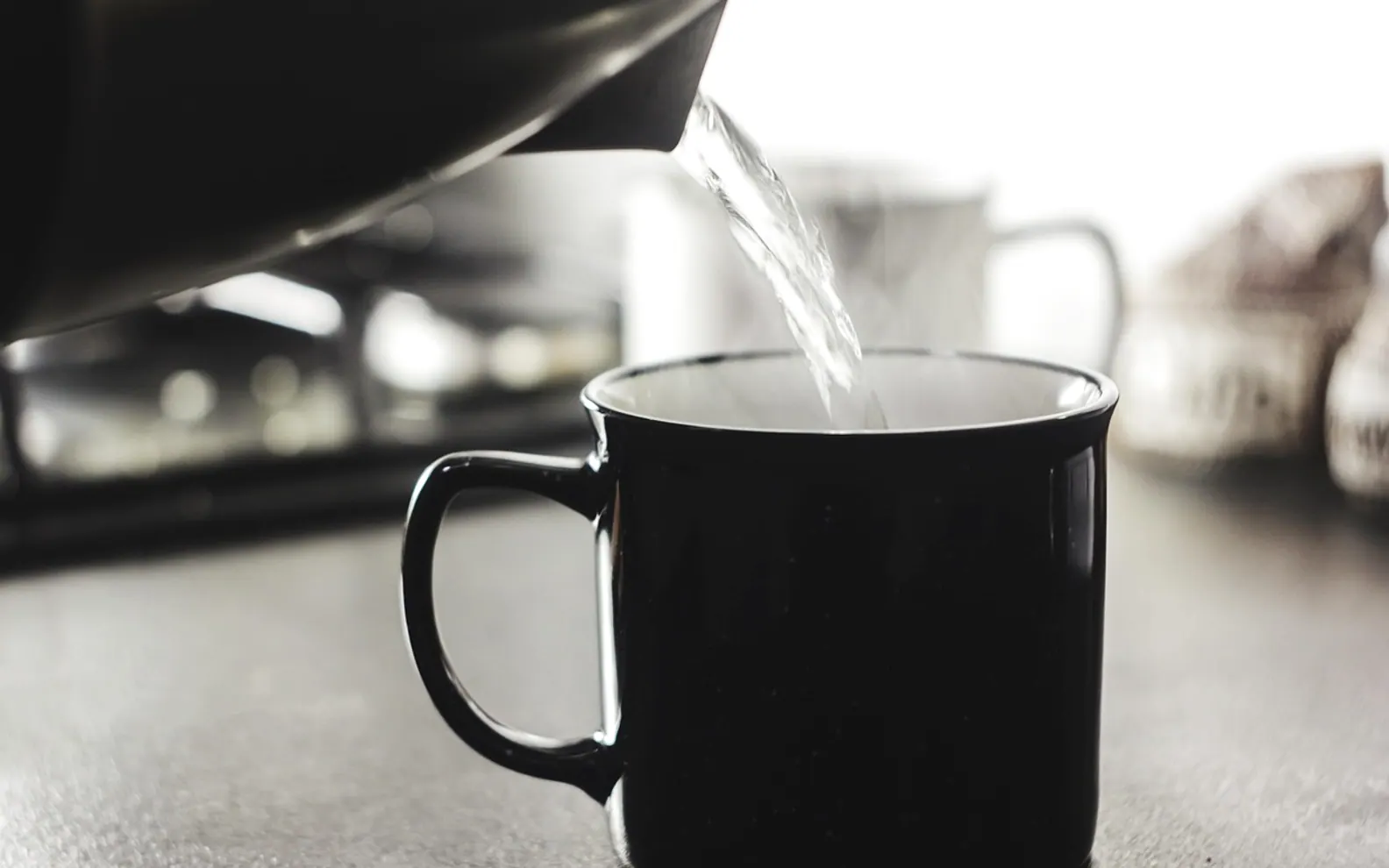
With the kettle unplugged and empty, fill it partly with equal amounts of water and white vinegar, or water with a little lemon juice or citric acid. Bring it to the boil, switch it off and unplug it again, then leave it to stand for an hour or so. Pour the liquid away, wipe the inside gently with a soft cloth and rinse. Boil a full kettle of fresh water once or twice and discard it before making tea, so no taste lingers. Check the filter at the spout too; many lift out for rinsing.
Shower heads
If the head unscrews, soak it in a bowl of vinegar. If it is fixed, use the bag trick from the taps above. After soaking, rub the rubber nozzles with your thumb or a soft brush to push out the loosened flakes, rinse well and run the shower for a moment to flush it through. For an electric shower, the isolator switch should be off throughout, and you should avoid letting liquid near the control unit. If spray is still weak afterwards, the issue may lie inside the unit or the plumbing, which is a job for a professional.
Shower screens and tiles
Spray diluted vinegar onto the glass, leave it briefly, then wipe with a soft cloth and buff dry. Avoid using it on natural stone tiles or grout you are unsure about. If you are planning a bathroom update anyway, our guide to planning a bathroom renovation on a budget covers finishes that are easier to keep clean.
Appliances you cannot see inside
Limescale also gathers on heating elements in washing machines and dishwashers, where it is harder to spot. Use a descaler designed for that appliance, and follow both its label and the appliance manual. Our article on how to clean a washing machine explains a full maintenance routine.
Slowing it down
- Dry as you go. A squeegee on the shower screen and a quick wipe of taps after use prevents most marks.
- Empty the kettle. Water left standing leaves more deposits behind; boil only what you need.
- Little and often. A short descale every few weeks is far easier than chiselling away at a thick crust.
- Consider filtering. A water filter jug for the kettle can help in very hard-water areas, and some households look into a water softener; a qualified plumber can advise on what suits your home.
Once you have tackled it properly, keeping on top of limescale becomes a two-minute habit rather than a weekend project.