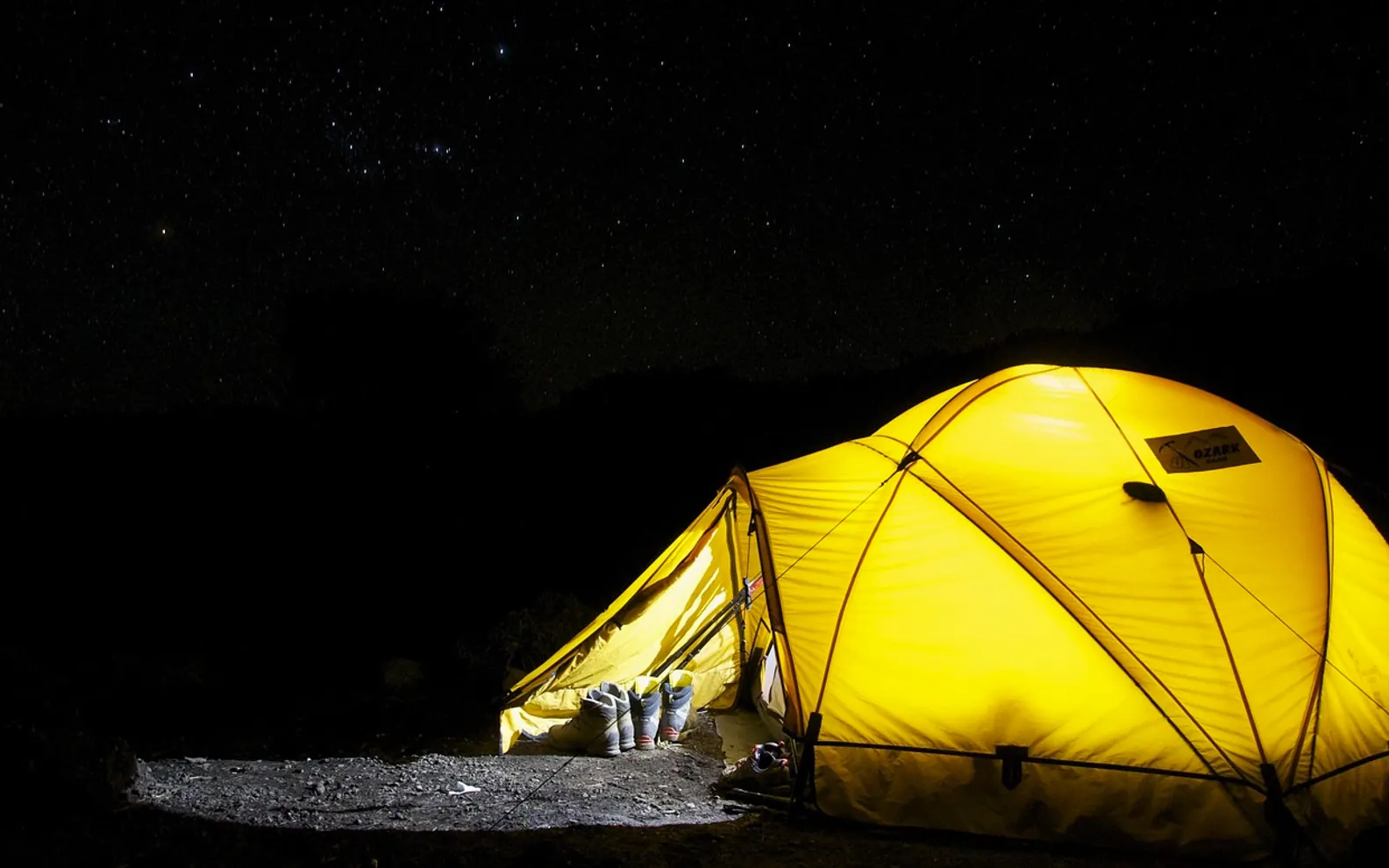
What To Know About 2018 Ozark Camping Tents
· 2 min read
Every camping trip lives or dies by the shelter. A good tent turns a rainy night into a cosy one and a windy pitch into a minor inconvenience; a poor one can send everybody home early. The 2018 Ozark Trail line-up gave families and weekend hikers a wide spread of options at friendly prices, and the same questions that helped people choose then still apply when picking a tent today.
A range built around value
Ozark Trail built its reputation on practical, affordable gear rather than technical expedition kit. That makes its tents a natural fit for campsite holidays, festivals and short trips where convenience and space count for more than shaving off every gram. The 2018 range stretched from compact two-person domes to large cabin tents with room dividers, so most group sizes were covered.
Retailers such as LeisureLegend make it simple to compare these styles in one place, with clear product details that help campers picture how each tent would work for their own trips.
Ozark tent types compared
| Style | Best for | Things to note |
|---|---|---|
| Family cabin tents | Groups and families who want standing room and separate sleeping areas | Large footprint, so check pitch sizes at your campsite |
| Dome tents | Couples, friends and short hikes | Lighter to carry, but less headroom |
| Instant tents | Anyone who dreads wrestling with poles | Quick to pitch, bulkier when packed |
| Backpacking tents | Solo walkers covering distance | Compact, with space for little more than a sleeper and a rucksack |
Matching a tent to your group
Manufacturers' capacity figures assume people lying side by side with very little else inside. In practice, most campers find a tent rated for one or two more people than the group size is far more comfortable, leaving room for bags, a cool box and muddy boots. Families with young children often value a cabin layout with a central living space for wet afternoons.
Height matters too. Being able to stand up to get dressed is a luxury that becomes a necessity on longer stays. Windows and mesh panels improve airflow, which reduces condensation and keeps the inside fresher on warm nights.
Staying dry and comfortable
Budget tents tend to be water resistant rather than fully waterproof, so a few habits make a big difference:
- Always use the rain fly, pulled taut so water runs off rather than pooling.
- Lay a groundsheet or footprint slightly smaller than the tent floor, so rain does not collect between the layers.
- Pitch on slightly raised ground and away from dips where water gathers.
- Check seams before the first trip and treat them with sealant if needed.
- Peg out guy lines properly, especially on exposed sites.
Before the first trip
Do a practice pitch in the garden or a local park. It reveals missing pegs, stiff zips and confusing pole colours long before you are standing in a field at dusk. Afterwards, always dry the tent thoroughly before storing it, as packing it away damp is the quickest route to mildew. A little preparation means the tent is ready whenever the weather and the weekend line up.