The Art of Modern Chandeliers
· 3 min read
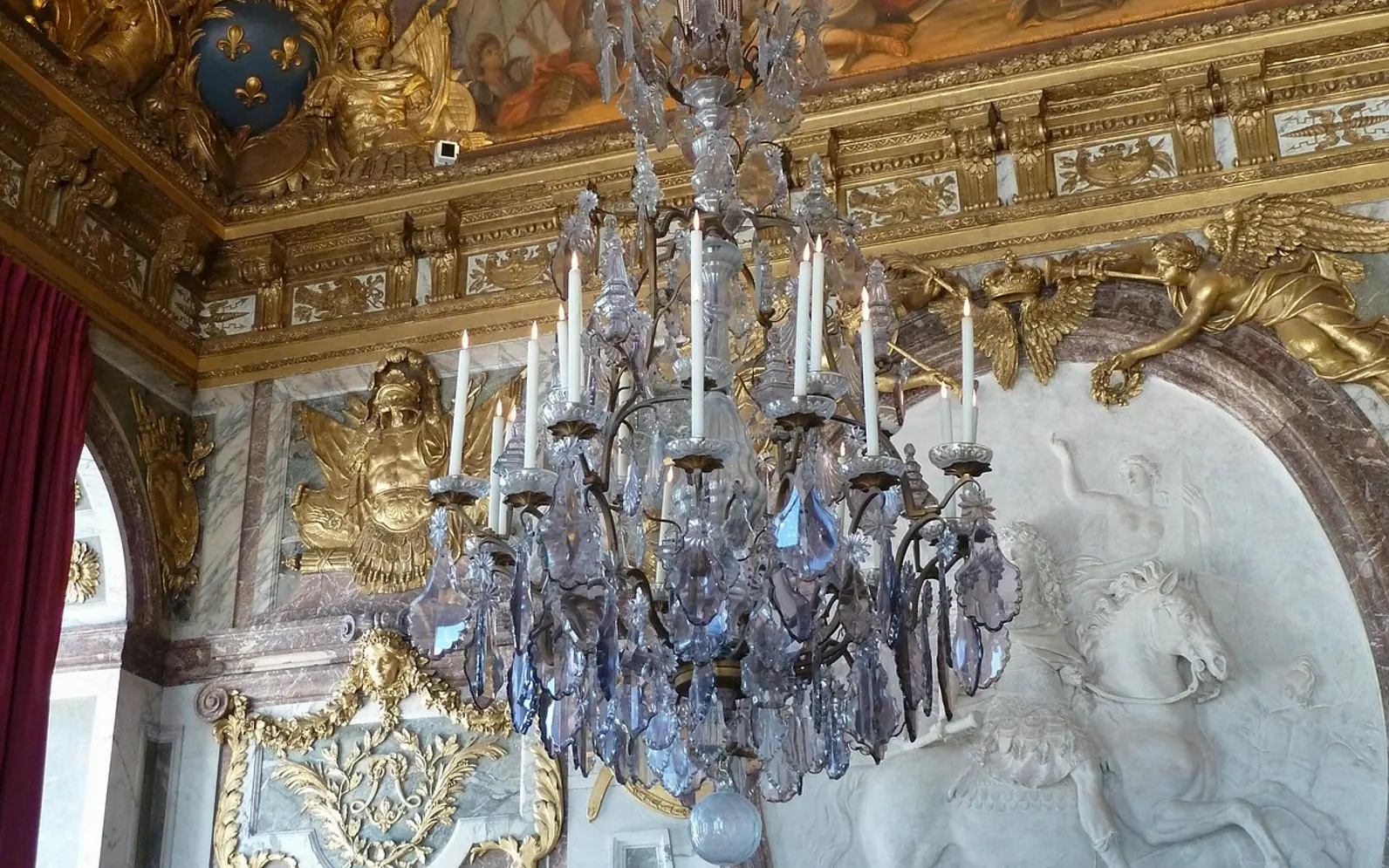
The word chandelier still conjures images of crystal drops and ballroom ceilings, but the fittings sold under that name today are a very different family. Slim metal rings, clusters of glass globes, sculptural branches and floating linear bars all count, and many of them look as much at home in a terraced house as in a hotel lobby.
How the chandelier changed
For centuries a chandelier was a carrier for candles, and later for bulbs, with ornament piled around the light source. Contemporary designers have flipped that idea. The light itself has become part of the shape, thanks largely to compact LED modules that can sit inside thin tubes, discs or rings. That freedom has produced pieces that read almost like suspended sculpture, and it has made the chandelier a realistic choice for smaller rooms and lower ceilings.
Common styles you are likely to come across include:
- Geometric frames in brass, black or brushed steel, often outlining spheres, cubes or polygons.
- Cluster pendants where several glass globes hang at staggered heights from one canopy.
- Linear fittings designed to run along the length of a dining table or kitchen island.
- Organic designs inspired by branches, leaves or bubbles, softening rooms with lots of straight lines.
- Modular pieces that can be extended or rearranged to suit an unusual ceiling.
Sizing and placement without guesswork
The most common mistake is picking a fitting that is too small, so it looks lost, or so large that it crowds the space. A practical starting point is to measure the room and think in proportions: the fitting should feel related to the furniture beneath it. Over a dining table, a common rule of thumb keeps the fitting clearly slimmer than the tabletop so diners do not knock their heads when they stand. In a hallway or stairwell, a taller, slimmer piece fills vertical space without blocking the route.
Hanging height matters just as much. In circulation areas the bottom of the fitting needs comfortable head clearance, while over a table it can drop lower to create a warm pool of light. If in doubt, ask the electrician to hold the fitting in place before fixing it, so you can judge it from the doorway and from a seated position.
Materials, finishes and light quality
Finish sets the mood. Warm brass and copper suit period homes and earthy colour schemes, matte black sharpens a minimal interior, and frosted or opal glass diffuses light into a soft glow. Clear glass sparkles but can show bare bulbs, so it pairs best with decorative filament lamps.
Pay attention to colour temperature as well. Warmer white light flatters living and dining spaces, while a slightly cooler tone can feel brighter in a kitchen. A dimmer is one of the cheapest upgrades you can make, letting a single fitting shift from task lighting to a relaxed evening setting.
Finding a piece that suits your home
Seeing many designs side by side helps narrow the choice quickly. Browsing a curated range such as the modern chandelier collection seus lighting offers is a useful way to compare shapes, finishes and sizes before deciding what fits the room and the rest of your furniture.
Before ordering, check the weight of the fitting against the ceiling structure, confirm whether the drop can be adjusted, and note what kind of bulbs or LED modules it uses. Fitting should be left to a qualified electrician, who will know how to anchor heavier designs securely. With those basics covered, a well-chosen chandelier can become the feature people notice first when they walk in.