Sustainability in Champagne: Soil Health, Lighter Glass, and Energy-Smart Cellars
· 3 min read
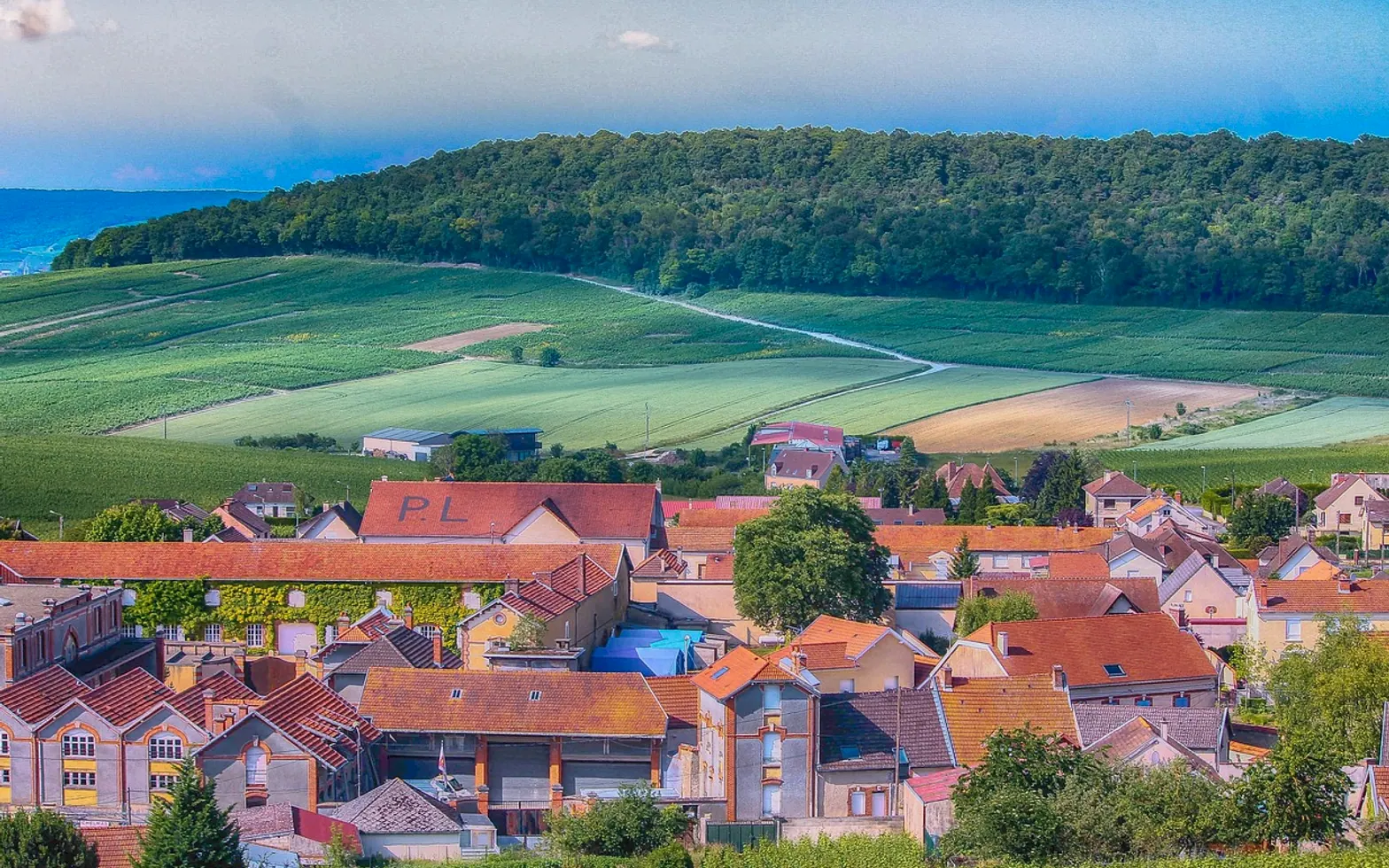
Champagne trades on tradition: chalk cellars, centuries-old houses, methods refined over generations. It might seem an unlikely place for change, yet the region has spent years rethinking how its wine is grown, made and shipped. The motivation is partly environmental and partly practical, since a cooler, more balanced vineyard is also the foundation of the fresh, lively style people love.
Starting with the soil
Much of the work begins between the rows. Where the ground was once kept bare, many growers now let grasses and flowering plants grow as cover crops. These help hold the soil on sloping vineyards during heavy rain, improve how water soaks in and give beneficial insects somewhere to live. When mown, they return organic matter to the earth.
Other practices follow the same logic:
- Mechanical or manual weeding in place of some herbicide use.
- More targeted spraying, applied only where and when it is needed.
- Vine prunings chopped and left as mulch to feed soil life.
- Hedges and trees planted around plots to support biodiversity.
Certification schemes for sustainable viticulture give growers a framework for these changes and a way to show their progress.
Water and energy in the winery
Sparkling wine needs scrupulously clean equipment, which traditionally meant using a lot of water. Wineries have been looking closely at their cleaning routines, using high-pressure nozzles, recirculating rinse water where hygiene allows and treating wastewater on site before it is released.
Energy is the other big target. The deep chalk cellars already offer naturally cool, stable conditions, which helps. On top of that, houses are insulating buildings, upgrading cooling equipment, recovering heat from refrigeration and installing solar panels on roofs where planning rules permit.
Why bottle weight matters
Glass is one of the largest contributors to the footprint of a bottle of wine, because it takes a great deal of energy to make and adds weight to every lorry and container. Champagne bottles must be strong enough to hold the pressure inside, so lightening them takes careful engineering. The region has adopted a lighter standard bottle that keeps the necessary strength while using less glass, and some producers are reconsidering heavy gift boxes and secondary packaging.
Does it change what is in the glass?
For most drinkers, taste comes first. The encouraging news is that many of these practices support quality rather than compete with it. Healthy, living soils help vines cope with heat and drought, and balanced vines tend to produce grapes with good acidity, which is central to the crisp character of a fine sparkling wine.
Shoppers in the Netherlands who search for champagne bestellen, ordering a bottle online, can often find producers who describe their vineyard and cellar practices on the label or in their notes, making it easy to support houses whose approach you admire while enjoying a bottle that shows off what careful farming can achieve.
Small choices for drinkers
- Look for mentions of sustainable or organic certification.
- Choose bottles without elaborate extra packaging when buying for yourself.
- Recycle glass, corks and foils according to local guidance.
- Enjoy alcohol in moderation and only if you are of legal drinking age.
Tradition and sustainability turn out to be good companions. The aim, after all, is to keep the vineyards healthy enough that future generations can raise a glass from the same slopes.