Summer Pests in Western Australia: What to Expect and How to Prepare
· 2 min read
Long, hot days are what Perth does best, but the same heat that fills the beaches also wakes up the insect world. By December, many households notice trails of ants along the skirting boards, flies hovering over the barbecue and mosquitoes humming as the sun goes down. Knowing what to expect makes it far easier to stay a step ahead.
Why the warm months bring more visitors
Insects rely on outside temperatures to power their bodies. As the weather warms, they feed, grow and breed faster, so populations can build up in a matter of weeks. Summer living adds to the attraction: doors left open for a breeze, food eaten outdoors, bins baking in the sun and garden sprinklers creating damp patches. To a pest, a typical backyard in January looks like an all-you-can-eat buffet.
The usual suspects
| Pest | Where you will notice it | What draws it in |
|---|---|---|
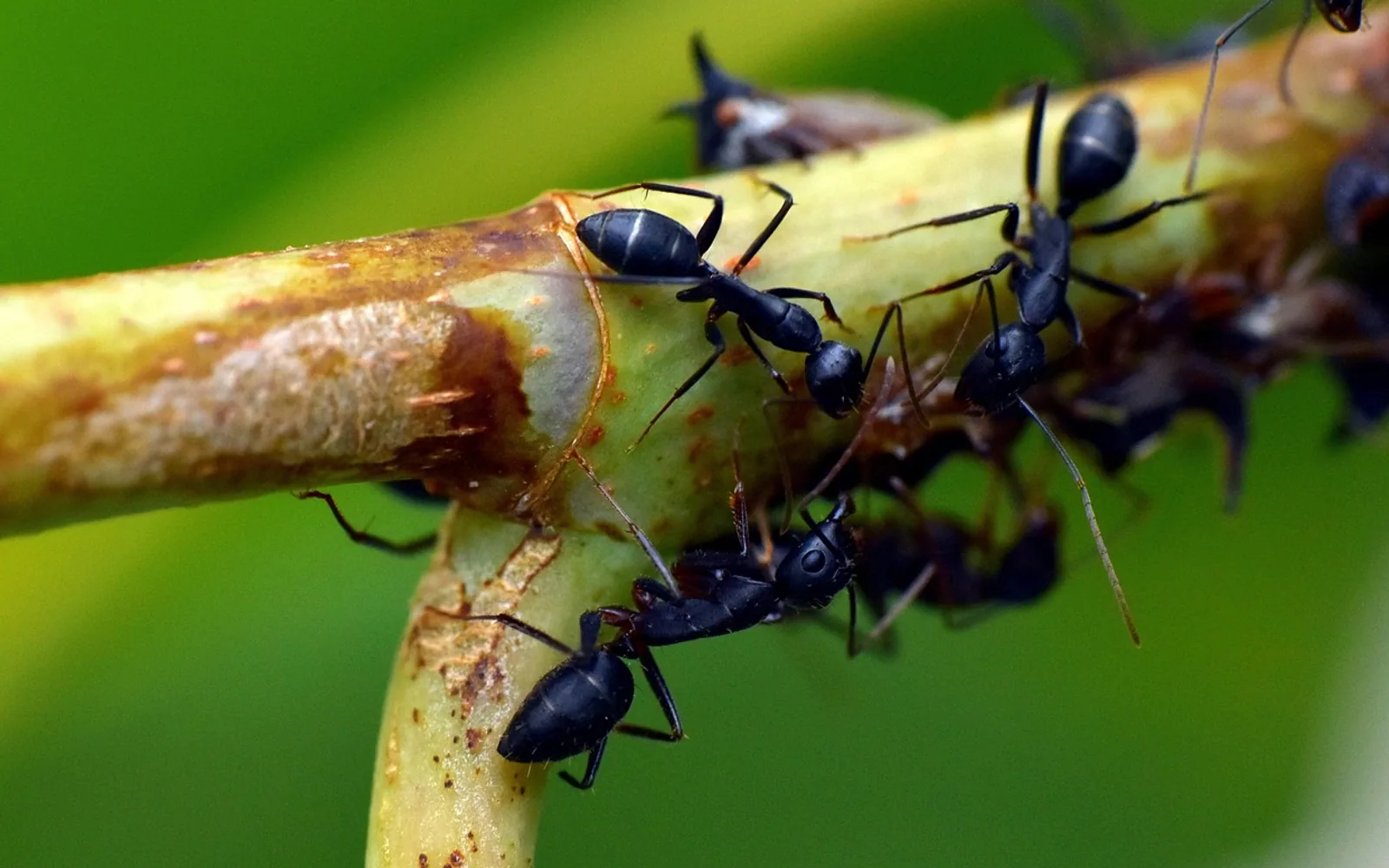
| Ants | Kitchen benches, pantry, pet bowls | Sugary spills, crumbs, moisture |
| Flies | Outdoor dining areas, near bins | Food scraps, compost, pet waste |
| Mosquitoes | Patios and bedrooms at dusk | Standing water in pots, gutters, toys |
| Cockroaches | Behind appliances, drains | Warmth, grease and hidden food |
| Spiders | Sheds, garden furniture, eaves | Other insects to feed on |
| Snakes | Long grass, wood piles, rubble | Shelter and rodents |
Mosquitoes deserve particular attention because in some areas they can carry viruses. Covering up at dusk, using repellent and screening windows are sensible habits, and anyone who feels unwell after bites should speak to a doctor.
Simple steps around the home
- Wipe benches and sweep floors each evening, and store pantry food in sealed containers.
- Keep bin lids closed and rinse bins regularly in hot weather.
- Empty saucers, buckets and anything else that collects water at least weekly.
- Repair torn flyscreens and seal gaps around doors, pipes and cables.
- Do not leave pet food sitting out overnight.
Families with young children or animals often prefer gentle methods, and treatments from experts such as adaptive pest control add a careful extra layer, since professionals choose products and application points with the household's routine in mind.
The garden and outdoor areas
Outdoors, the aim is to remove hiding spots. Keep lawns mown, trim shrubs back from the house walls and store firewood off the ground and away from doors. Clear rubble and sheets of iron where snakes and rodents could shelter. If you do see a snake, keep your distance, keep children and pets away and call a licensed snake catcher rather than trying to move it yourself.
Compost bins should be turned and covered, and fruit that falls from trees picked up before it attracts flies and wasps.
When to call in the professionals
Home remedies and store-bought baits can handle a few ants or the odd cockroach. Established nests, recurring infestations or pests inside wall cavities are a different matter. In those cases, teams like adaptive pest control pair low-impact techniques with targeted treatments, getting on top of the problem while keeping disruption to the home to a minimum.
A little preparation at the start of summer means more evenings spent enjoying the backyard and fewer spent swatting, spraying and scrubbing.