Selecting the Loudest Train Horns
· 2 min read
There is a particular kind of grin that appears on someone's face the first time they sound a proper air horn. The blast is enormous, deep and impossible to ignore. For truck owners, off-road fans, boat users and people who simply enjoy serious noise, picking the loudest horn becomes a small project in its own right.
How loudness is measured
Horn volume is usually given in decibels. The scale is logarithmic, so an increase that looks modest on paper sounds much bigger in real life; roughly speaking, each extra ten decibels is heard as about twice as loud. A standard car horn is designed to be noticed in traffic. A train-style horn aims to carry across fields and rail yards.
Manufacturers measure at different distances and under different conditions, so compare figures with care. A rating taken right next to the trumpet will always look higher than one taken a few metres away.
What actually makes a horn louder
Several factors combine to produce that blast:
- Air pressure. More pressure from the compressor and tank generally means a stronger, fuller sound.
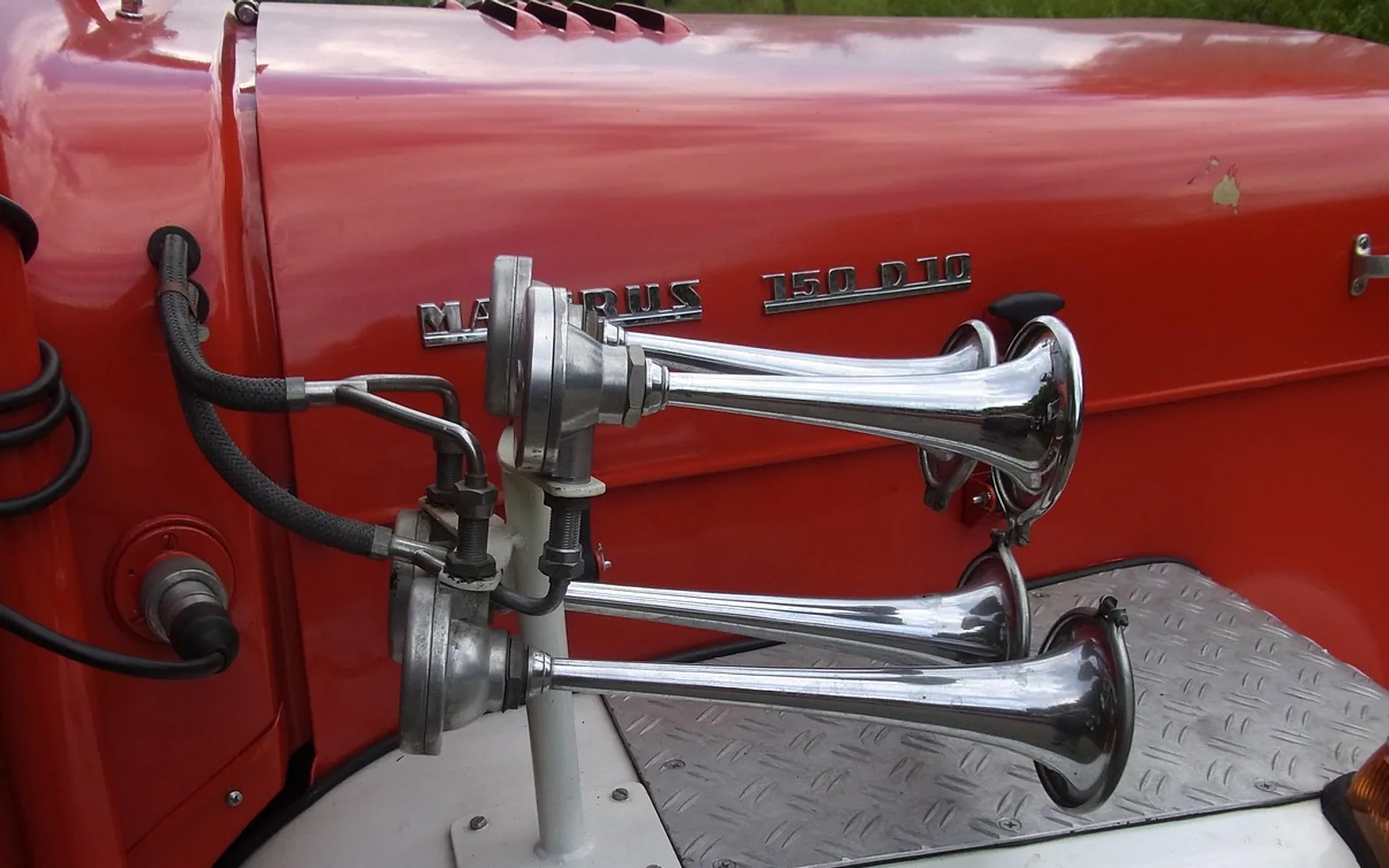
- Number of trumpets. Multi-trumpet setups layer different notes into a chord that cuts through background noise.
- Trumpet length and material. Longer trumpets give deeper tones; metal bells tend to sound richer than plastic.
- Valve and diaphragm quality. Good components open quickly and keep performance consistent over time.
- Tank size. A larger reservoir sustains longer blasts before the compressor has to catch up.
Choosing a brand and kit
Complete kits that bundle trumpets, compressor, tank, valve and wiring are the easiest route for most buyers, since everything is matched. Brand matters when it comes to build quality and support. Fans of power tools often gravitate to the Dewalt Train horn range, which pairs a big, booming sound with the rugged look and dependable feel many people associate with the name.
Read the specifications carefully: required voltage, compressor duty cycle, tank capacity and mounting dimensions all affect whether a kit suits your vehicle or project.
Fitting it properly
- Plan where the trumpets, tank and compressor will sit before buying, measuring the available space.
- Mount trumpets with the bells facing forward or slightly down so water drains away.
- Use a relay and fuse sized for the compressor's current draw.
- Check fittings for leaks with soapy water after installation.
- Drain moisture from the tank regularly, especially in cold or damp weather.
If wiring or air lines are unfamiliar territory, an auto electrician can install the system safely.
Using it considerately
Rules on vehicle horns differ from country to country and sometimes between regions. In many places, horns fitted to road vehicles must meet set requirements, and some uses are restricted at night or in built-up areas, so check what applies where you drive. Off-road events, private land and marine use may have their own guidance.
Very loud horns can also harm hearing at close range, so avoid sounding them near people or animals. Used with a bit of thought, a powerful horn is a lot of fun, and a useful attention-grabber when it really counts.