Keep Your Automatic Watch in Perfect Sync: Essential Maintenance Tips
· 2 min read
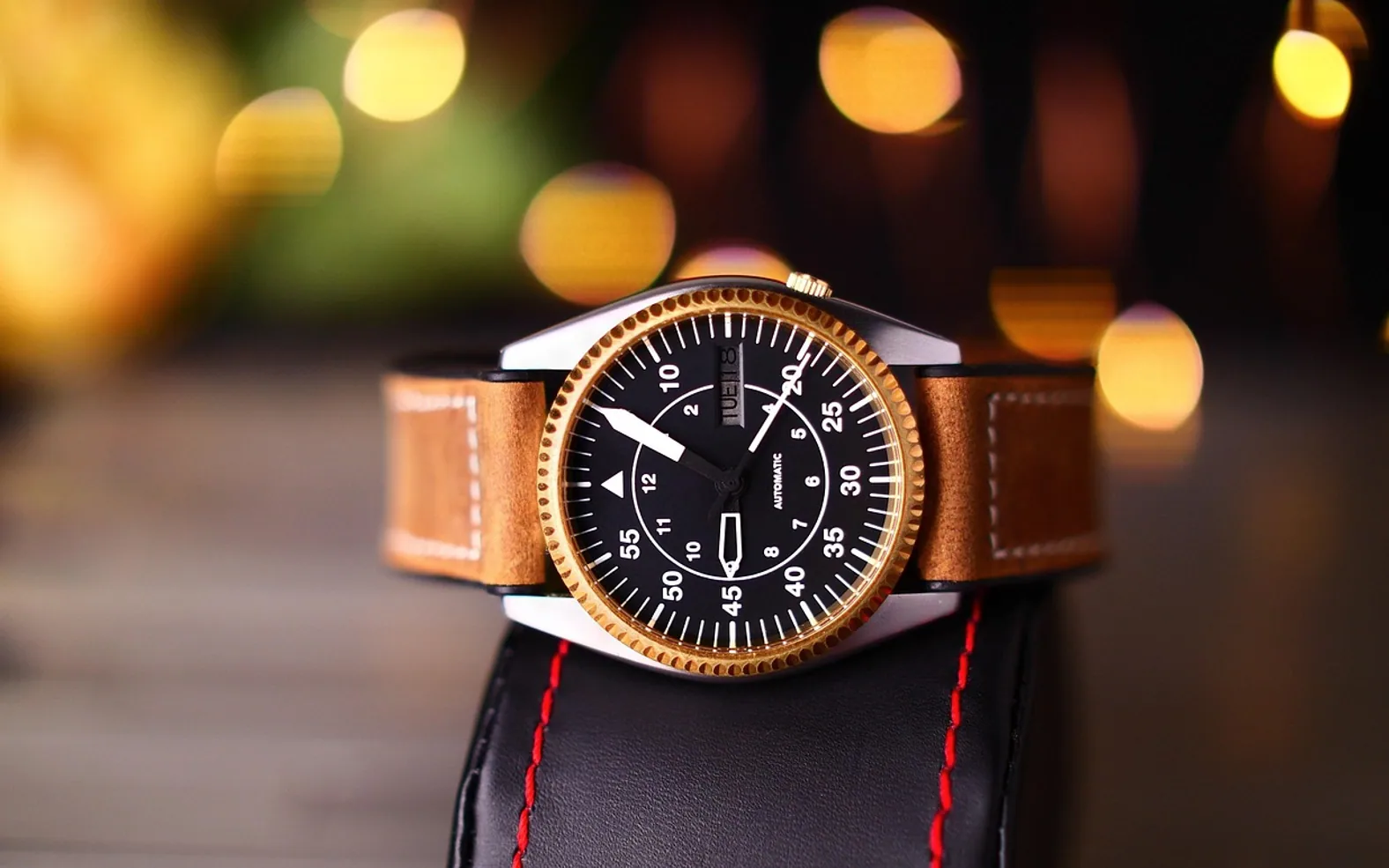
An automatic watch runs on nothing more than the movement of its wearer's wrist. Inside, a weighted rotor swings with every gesture and winds the mainspring, which releases its energy through a chain of tiny gears. That mechanical charm is the whole point of owning one, and it also means a little routine care goes a long way towards keeping the time accurate.
Winding and setting
Wearing the watch regularly is the simplest form of maintenance. If it sits in a drawer for a few days, it will stop once the power reserve runs out. That does no harm, but it does mean resetting the time and date. Owners with more than one mechanical piece often use a watch winder, a small box that turns the watch gently to keep it wound when it is not being worn.
If a stopped watch needs starting, a few gentle turns of the crown, where the movement allows manual winding, will get it ticking before you put it on.
Many movements have a period around midnight when the date-change mechanism is engaged. Adjusting the date during those hours can strain the parts. A safe habit is to move the hands to a morning hour such as six o'clock before changing the date, then set the correct time. Always push or screw the crown back in fully afterwards, as an open crown lets moisture and dust inside.
Cleaning and everyday hazards
- Wipe the case and crystal with a soft, lint-free cloth.
- Clean metal bracelets with a soft brush and mild soapy water, only if the watch is rated for it.
- Keep leather straps away from water and perfume, and let them air after warm days.
- Rinse with fresh water after the sea or a pool, again only within the stated water resistance.
Magnetism is a quiet enemy of mechanical watches. Speakers, laptops, phone cases with magnetic clasps and some kitchen appliances can magnetise the hairspring, making the watch run fast. A watchmaker can demagnetise it quickly. Shocks matter too: removing the watch before sports such as golf or tennis protects the delicate balance.
Extreme heat and cold can affect lubricants and accuracy, so avoid leaving the watch on a sunny windowsill or in a freezing car.
Servicing and storage
Over time, the oils inside the movement thicken and parts wear. Manufacturers recommend a full service at intervals that depend on the model and how it is used, so follow the guidance in the documentation. A watchmaker will dismantle, clean, lubricate and regulate the movement and check the seals.
When the watch is not on the wrist, store it in a dry place, ideally in a box with separate compartments so crystals and cases do not scratch one another.
Choosing a watch you will enjoy wearing
Care is easiest when the watch suits daily life. A well-made automatic watch with a sturdy case and a design you love tends to be worn often, which keeps it wound naturally. With sensible habits and occasional professional attention, a mechanical watch can keep good time for many years and become a familiar companion on the wrist.