Is it Time to Buy an Air Purifier?
· 2 min read
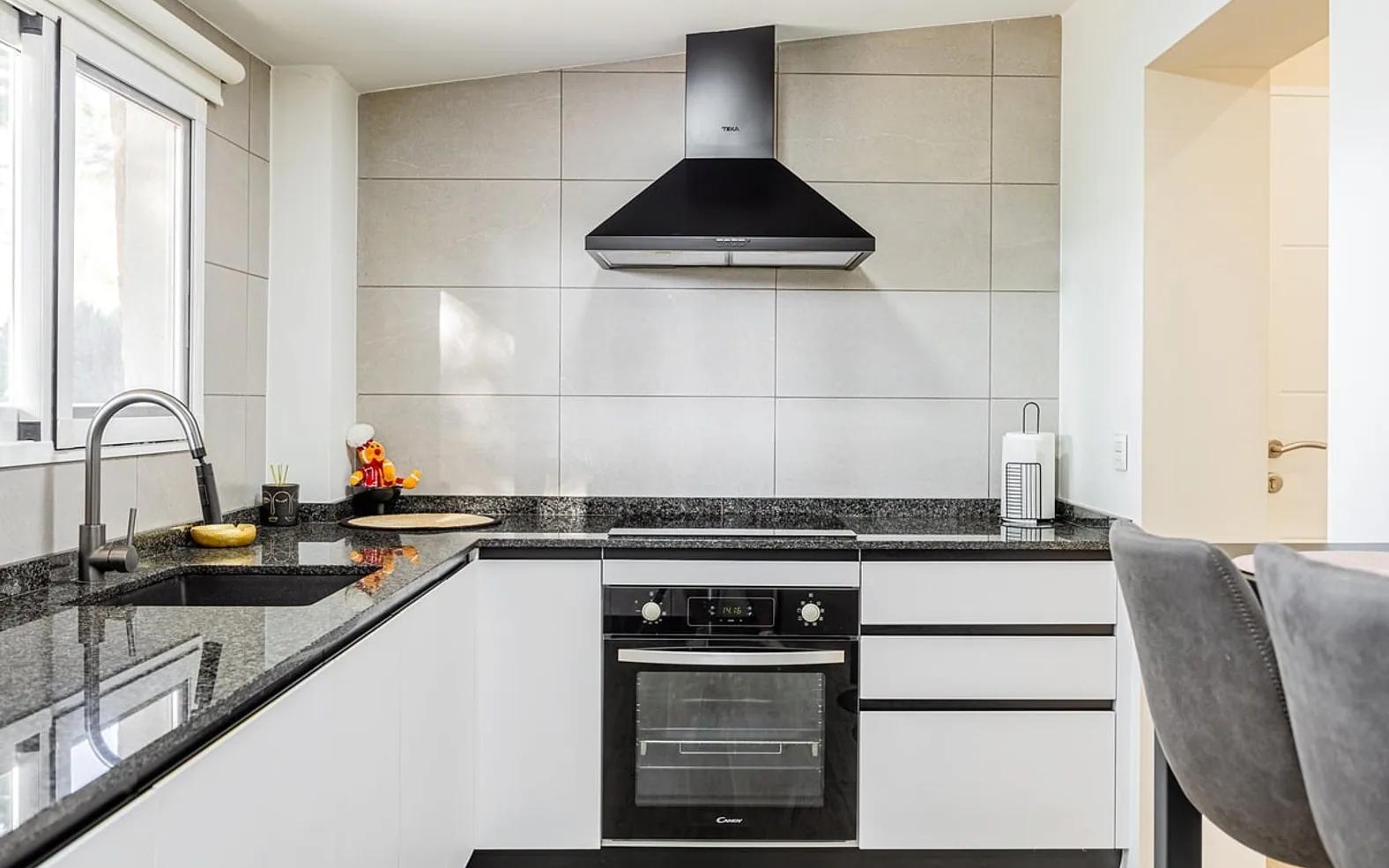
Indoor air rarely gets much thought until something prompts it: a lingering smell after cooking, dust that settles on shelves within days, a pet that sheds all year or a neighbour who lights a wood burner every evening. When those small irritations start to add up, many households begin wondering whether an air purifier is worth the space and the electricity.
Signs it might be time
- Cooking smells hang around long after the meal is finished.
- Dust builds up quickly even with regular cleaning.
- Pets live indoors and leave hair and dander on soft furnishings.
- You live near a busy road or in an area with seasonal pollen.
- Rooms feel stuffy, particularly in winter when windows stay closed.
None of these alone means you need a purifier, but several together suggest it could make the home feel fresher.
How purifiers actually work
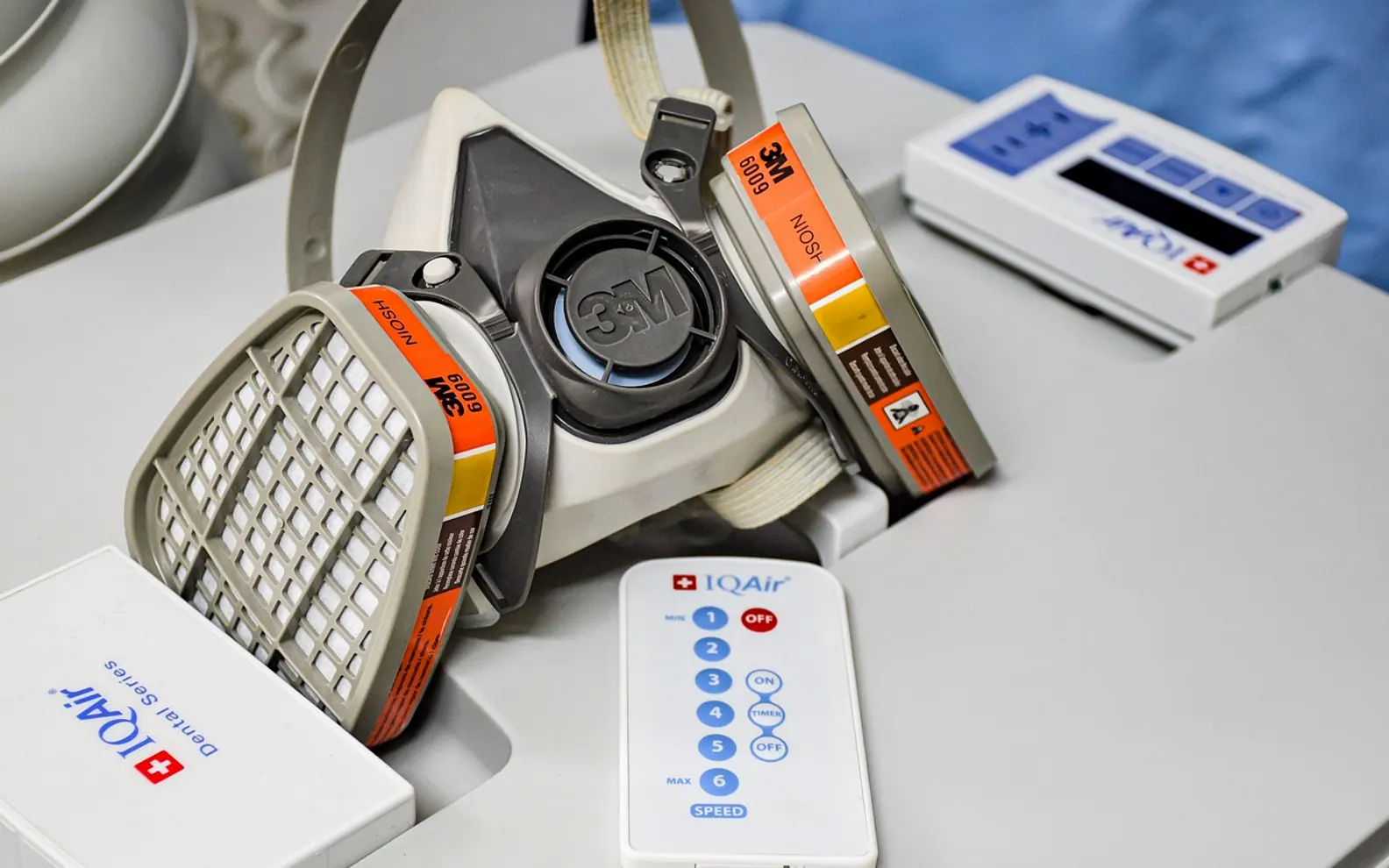
Most home units pull air through one or more filters with a fan. A pre-filter catches larger particles such as hair and lint. A HEPA-style filter traps much finer particles like dust, pollen and pet dander. Many models also include an activated carbon layer, which helps reduce odours from cooking, pets and smoke. Some add ionisers or ultraviolet lamps; it is worth reading how these work and whether they produce by-products before choosing one.
Choosing the right size and features
A purifier that is too small for the room will run constantly and make little difference. Manufacturers usually give a recommended room size or a clean air delivery rate, which indicates how much filtered air the unit produces. Match that to the room where you spend the most time, often a bedroom or living room.
- Measure the room and compare it with the unit's recommended coverage.
- Check noise levels on the lowest setting if it will run at night.
- Look at the cost and availability of replacement filters.
- Consider smart features such as air-quality sensors and timers.
Brands such as homesmart air offer a range of units for different room sizes, so households can match a model to a particular room and to the way they live.
Realistic expectations
An air purifier can help reduce airborne particles and odours, but it is one part of a healthy home rather than a complete solution. Regular ventilation, vacuuming with a good filter, dealing with damp and avoiding indoor smoking all matter too. A purifier will not fix mould caused by moisture problems, which need to be tackled at the source.
People with asthma, allergies or other breathing conditions should speak to their GP or pharmacist about managing symptoms. A purifier may support a more comfortable environment, but it is not a treatment and should not replace medical advice.
Looking after the unit
Filters do their job only when they are changed on time. Follow the manufacturer's schedule, wipe the pre-filter and outer grilles regularly, and keep the unit away from walls and curtains so air can circulate freely. Kept in good condition, a well-chosen purifier can quietly make everyday life at home feel a little cleaner and calmer.